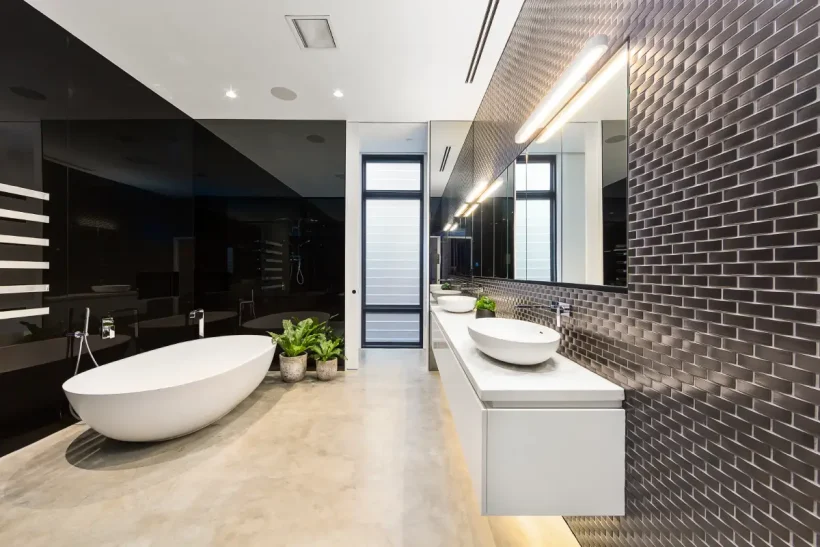
Most homeowners underestimate the bathroom renovation timeline by at least two to three weeks. That shortfall produces budget blowouts, broken commitments to trades, and, in single-bathroom homes, real daily disruption with no fallback.
According to the Australian Bureau of Statistics, Australians invested $3.7 billion in residential alterations and additions in the December 2025 quarter alone. That scale of investment demands an accurate timeline, not a guess.
The scope of your project sets the baseline. A cosmetic refresh takes one to two weeks. A full structural renovation can run twelve weeks or more. This guide breaks every phase down, names what actually stalls projects, and shows you how to compress the timeline without taking shortcuts that create long-term problems.
Table of Contents
- Quick Answer
- Bathroom Renovation Timeline by Scope
- Phase-by-Phase Breakdown
- What Causes Renovation Delays?
- Single-Bathroom Households
- DIY vs. Hiring Licensed Trades
- How to Speed Up Your Renovation
- Conclusion
Quick Answer
- Active construction only: 3 to 6 weeks
- Full process (planning through handover): 6 to 10 weeks
- Structural renovation with layout changes: 12 to 20+ weeks
These ranges assume professional trades, available materials, and no major hidden defects. Each variable below can add days or weeks independently.
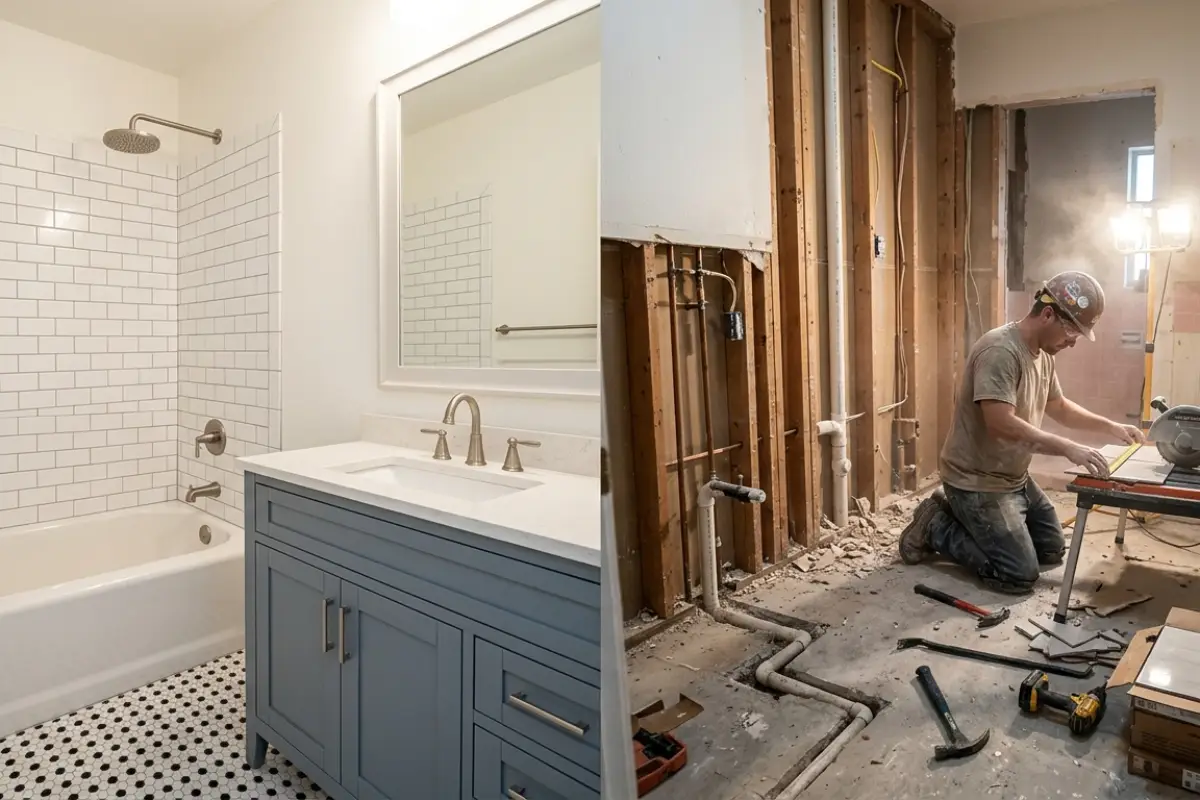
Bathroom Renovation Timeline by Scope
| Renovation Type | What’s Included | Active Construction | Full Timeline (incl. Planning) |
| Cosmetic refresh | Paint, tapware, accessories, minor tiling | 1 to 2 weeks | 2 to 4 weeks |
| Mid-range renovation | New fixtures, tiles, vanity, existing layout retained | 3 to 4 weeks | 6 to 8 weeks |
| Full renovation | New plumbing, electrical, waterproofing, full tiling | 4 to 6 weeks | 8 to 12 weeks |
| Structural renovation | Layout changes, wall removal, slab penetrations | 6 to 10+ weeks | 12 to 20+ weeks |
The distinction between mid-range and full renovation is not cosmetic preference; it is plumbing position. Keeping existing pipe locations in place saves days of licensed plumbing work and eliminates the need for slab penetrations in concrete-floored properties.
Phase-by-Phase Breakdown
Phase 1: Planning and Design (1 to 4 Weeks)
This phase runs entirely before demolition and controls every phase that follows. Finalise your layout, confirm material availability, and lock in your trade schedule before any work starts.
Decisions delayed here cascade into site delays later. If your preferred tiles carry a six-week lead time or your vanity is custom-fabricated, you need to know that before the old bathroom is gone.
In strata buildings or heritage-overlay properties, add two to six weeks for body corporate or council approvals. This is non-negotiable in states like New South Wales and Victoria, where wet area regulation is strict.
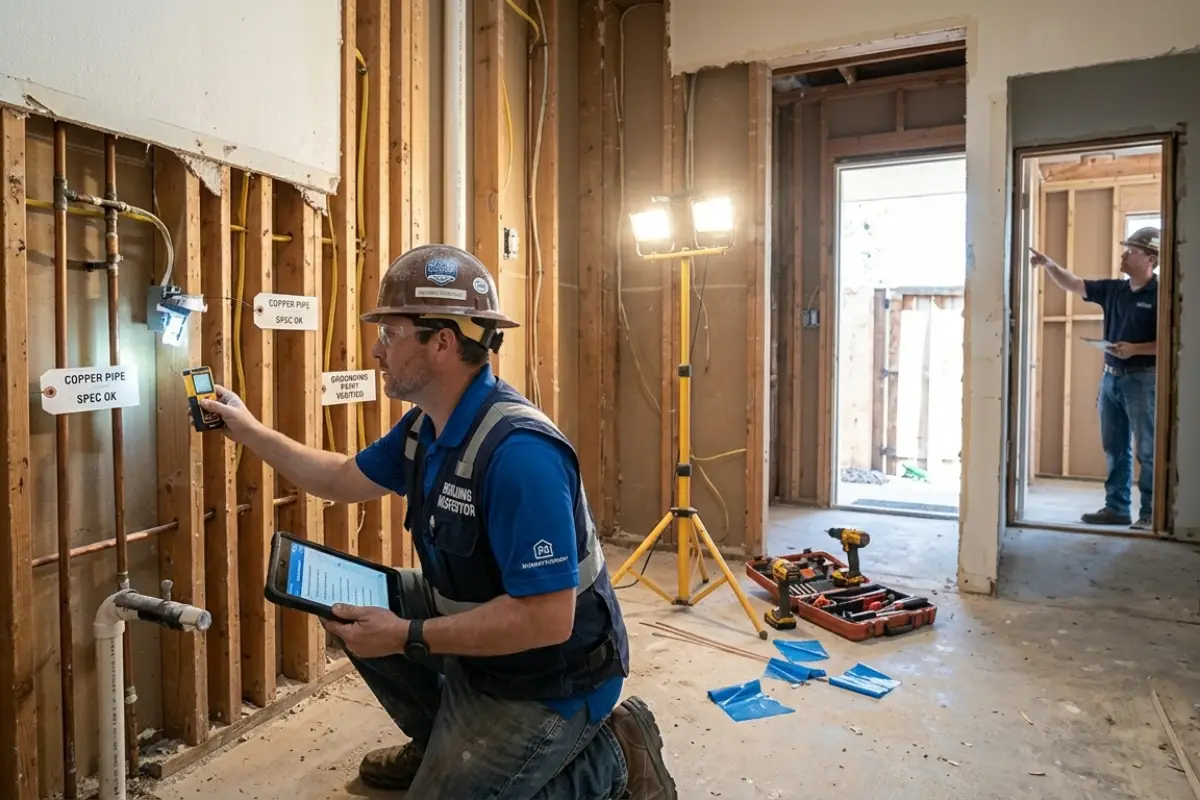
Phase 2: Pre-Renovation Inspection (1 to 2 Days)
A pre-renovation inspection identifies hidden structural problems before demolition: asbestos-containing materials in wall sheeting or floor tiles, rotted framing behind existing tiles, corroded waste pipes, and failed original waterproofing.
Finding these after demolition transforms a fixed-price quote into a cost-plus negotiation. Finding them before demolition lets you price and schedule remediation as a planned line item, not a crisis. Renovation companies like Heritage Restorations & Renovations build this inspection step into their process for exactly that reason.
Phase 3: Demolition (1 to 3 Days)
Demolition is the fastest phase under normal conditions. Asbestos changes that immediately.
Homes built before 1990 in Australia frequently contain asbestos in vinyl floor tiles, fibrous cement sheeting, textured ceiling coatings, and pipe lagging. If a pre-renovation inspection identifies asbestos, a licensed asbestos removalist is legally required. Remediation adds three to five business days plus a clearance certificate before construction can resume.
Phase 4: Rough-In Plumbing and Electrical (2 to 4 Days)
Rough-in work confirms or repositions waste pipes, water supply lines, and electrical circuits. Retaining existing fixture positions keeps this phase to two days. Moving any fixture extends it.
Relocating a toilet or shower drain in a slab-on-ground home requires concrete sawcutting, pipe rerouting, and re-slab work. That process adds three to five days, plus an inspection hold point, before the concrete is reinstated and covered.
Phase 5: Waterproofing (3 to 5 Days Including Cure Time)
Waterproofing is the most compliance-critical phase in any Australian bathroom renovation. All wet areas must comply with AS 3740:2021 (Waterproofing of Domestic Wet Areas). The membrane must reach full cure before tiling begins.
Standard liquid membranes require 24 to 48 hours between coats, with two to three coats typically required. Skipping cure time to accelerate tiling is the primary cause of tile delamination and hidden leaks that go undetected for years.
In southern Australian states during winter, cold temperatures and high humidity slow cure times further. Build buffer into this phase, not into finishing.
Phase 6: Tiling (3 to 7 Days)
Tiling duration scales with floor area, tile format, and pattern complexity. A standard 300 x 300mm ceramic tile in a four-square-metre bathroom installs faster than 900 x 900mm large-format porcelain tile requiring precision levelling and specialty adhesive.
Allow one day for adhesive cure before grouting. Allow a further 24 to 48 hours for grout to set before the space contacts water. Complex herringbone or diagonal patterns add 30 to 50 per cent to tiling time versus straight lay.
Phase 7: Fixture and Joinery Installation (3 to 5 Days)
This phase covers vanity, toilet suite, shower screen, tapware, mirrors, exhaust fan, lighting, and accessories. Off-the-shelf cabinetry installs in one to two days. Custom joinery fabricated to site measurements takes longer, particularly if tiling tolerances require adjustments.
Confirm that all fixtures are on site before installation day. A missing shower rose or a backordered toilet seat holds up the entire phase.
Phase 8: Final Inspection and Handover (1 to 2 Days)
Licensed plumbing and electrical work in Australia requires a Certificate of Compliance before occupancy. Your plumber and electrician issue these independently, and both must be obtained before the renovation is signed off.
An independent post-renovation inspection at this stage verifies waterproofing integrity, fixture installation quality, and code compliance. It creates a documented record that protects you in the event of a future warranty dispute or property sale disclosure.
What Causes Renovation Delays?
Material Lead Times
Custom tiles, imported tapware, and bespoke vanities carry lead times of four to twelve weeks. Ordering after demolition has started is one of the most common and avoidable causes of project stalling.
Confirm stock levels and delivery windows for every item in your specification before demolition begins. If an item is unavailable, either substitute or adjust your construction start date.
Tradie Scheduling Gaps
The largest scheduling risk in an Australian bathroom renovation is not the work itself; it is the gaps between trades. Plumbers, waterproofers, tilers, and electricians operate on independent schedules.
In high-demand metro markets, lead times for a single licensed trade can run two to four weeks just for the initial booking. A plumber who is unavailable on a Tuesday holds up the waterproofer scheduled for Wednesday, who holds up the tiler scheduled for Thursday. Sequence your trade bookings in advance and confirm hold dates.
Unforeseen Site Conditions
Rotted framing, corroded waste pipes, non-compliant original plumbing, and failed waterproofing are common discoveries once existing tiles come off the walls. None are visible before demolition without professional inspection.
Each discovery requires assessment, remediation, licensed trade work, and re-inspection before the next phase can proceed. A project scoped for four weeks of construction can reach eight weeks when multiple hidden defects compound. A pre-renovation inspection is the primary tool for surfacing these before they are surprises.
Approval and Certification Delays
Strata, council, or heritage approval processes vary significantly by state and local government. Approvals in Victoria for apartment renovations can take three to six weeks. Not accounting for this in the planning phase pushes every subsequent date out by the same amount.
Single-Bathroom Households
If your home has one bathroom, you have zero tolerance for project drift. Every day of delay is a day without a functional bathroom.
Plan alternative access for the full active construction window, not just the first week. Neighbours, family, a gym membership, or short-term accommodation are the realistic options. Budget for this as a project cost, not an afterthought.
Negotiate a sequenced schedule with your contractor before signing any contract. Confirm what happens if a tradie is unavailable on a scheduled day and what the recovery plan is. A builder who cannot answer that question clearly is a scheduling risk.
DIY vs. Hiring Licensed Trades
Australian law restricts specific bathroom work to licensed tradespeople. This is not optional and is enforced regardless of skill level.
Work requiring licensed trades in Australia:
- All plumbing connections (waste, supply, hot water)
- All electrical work (lighting, exhaust fans, heated towel rails)
- Waterproofing (requires a licensed waterproofer in most states)
Work homeowners can legally do themselves:
- Demolition (where asbestos is confirmed absent)
- Painting
- Installing non-plumbing accessories
DIY bathroom renovations in Australia typically take two to three times longer than professional projects. Weekend-only scheduling and the learning curve on unfamiliar tasks stretch timelines significantly. The cost savings on labour rarely offset the extended disruption in a single-bathroom household.
Understanding licensed plumbing labour costs in Australia helps homeowners budget realistically for the rough-in and connection work that cannot legally be self-performed.
How to Speed Up Your Renovation
Order all materials before demolition. Confirm stock, place orders, and set delivery windows during the planning phase. Never start demolition with unconfirmed material availability.
Book all trades in sequence before work begins. Confirm start dates for your plumber, waterproofer, tiler, and electrician as a block schedule. Trades booked ad hoc create the gaps that extend timelines.
Get a pre-renovation inspection. Surfacing hidden defects before demolition converts mid-project emergencies into planned, priced, and scheduled items. This single step compresses the most unpredictable part of any renovation timeline.
Choose in-stock materials. Standard tile formats and off-the-shelf cabinetry move through supply chains in days, not weeks. Reserve custom and imported selections for projects where budget and schedule allow.
Keep fixture positions where possible. Avoiding plumbing relocations eliminates the most time-intensive licensed trade work in the rough-in phase and removes the need for slab penetration on ground-floor bathrooms.
Conclusion
A standard bathroom renovation in Australia takes three to six weeks of active construction, with the full process from planning through handover running six to ten weeks. Scope, tradie availability, material lead times, and unforeseen defects are the four variables that extend that window. A pre-renovation inspection addresses the most unpredictable of those variables by identifying hidden problems before demolition converts them into unscheduled, unpriced emergencies.

 i Testing